Hollywood Reporter publica su lista de las 20 mejores escuelas de música del mundo
- MyLovita News
- 2 min de lectura
- 42 vistas
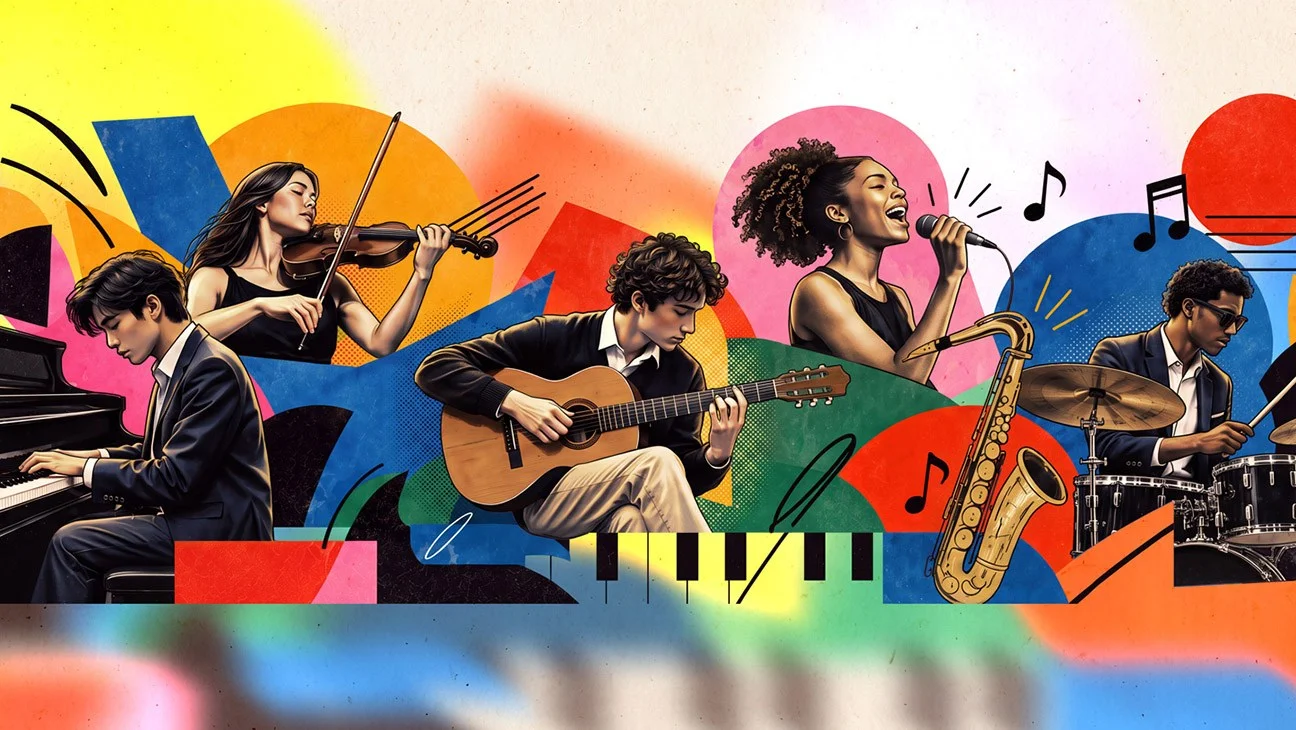
Ciudad de Mexico, 16 de noviembre de 2026.- El sitio hollywoodreporter.com publicó el 15 de noviembre de 2026 el artículo 'The 20 Best Music Schools in the World', un listado que reúne a instituciones de formación musical de Estados Unidos y el Reino Unido, entre ellas Juilliard, USC Thornton, Eastman, Berklee, UCLA Herb Alpert, Colburn, Royal College of Music, Yale, Curtis, New England Conservatory, Oberlin, Columbia College Chicago, Manhattan School of Music, Frost School of Music, NYU Steinhardt, CalArts, San Francisco Conservatory, College of Contemporary Music/Musicians Institute, Cal State Northridge y University of North Texas.
El artículo detalla las matrículas de cada centro. La más alta entre las consignadas es la de USC Thornton, con 75.384 dólares, seguida por Eastman School of Music (71.750), Oberlin College and Conservatory (70.320), Frost School of Music at University of Miami (66.312), New England Conservatory (64.208), Colburn Conservatory of Music (64.000), CalArts (62.954), Manhattan School of Music (60.800), NYU Steinhardt (60.000), San Francisco Conservatory of Music (58.400), Juilliard (57.200) y Berklee College of Music (55.620).
El listado también incluye centros con costos más bajos: Royal College of Music, con 31.300 libras (41.973 dólares); College of Contemporary Music/Musicians Institute, con 34.322 dólares; Columbia College Chicago, con 33.886; University of North Texas, con 26.548; UCLA Herb Alpert School of Music, con 15.154 dólares para residentes del estado, y Cal State Northridge, con 7.458 dólares para residentes del estado.
Dos instituciones aparecen con matrícula gratuita: Yale School of Music y Curtis Institute of Music. En el caso de Colburn Conservatory of Music, el artículo señala una matrícula de 64.000 dólares compensada a 4.850.
David Serkin Ludwig, decano y director de la división de música en Juilliard, abordó en el artículo el impacto de la inteligencia artificial en la formación musical. 'A great hedge against the replacement aspect of AI is having a very deep and thorough training, because you want depth of knowledge and experience for people using the tools', afirmó.
Ludwig también se refirió a la actualización tecnológica de la enseñanza: 'We're aspiring to stay on the cutting edge of available technologies for them, so we're doing a lot in interactive music technology as well'. Y añadió: 'So looking into motion sensors, other kinds of digital response tools but also just the software itself, and making platforms available for our students: laptops, cameras, all the devices and tools they need to create their own media'.
Sobre la dirección de la institución, el decano expresó: 'So I'm happy with the direction we're going, and we just have to keep staying current'.